外刊18-08·龙在中国文化里象征什么
《时代周刊》为龙年读者解释中国龙的形象。作者从出生数据、自我称谓和图像传统入手,比较不同文化怎样理解看似相同的神兽。
原刊选文《This Lunar New Year Is the Year of the Dragon: Why the Beast Is a Big Deal in Chinese Culture》,《时代周刊》。按 2024 年刊文时的背景阅读。
导读副标题 How the loong came to symbolize prosperity, power and unity in China
既然两个形象都可以叫 dragon,作者为什么还使用 loong?用文中的对比作答。
阅读前的四个表达#
- a far cry from 与……大不相同,适合对比两组数字或两种形象。
- pervade 遍及、渗透,形容某个形象在生活中随处可见。
- wield 掌握并运用力量、权威或影响力。
- resonate with 引起某群人的共鸣。
龙年里的数字与传说#
第 1 段
The last time China's birth rates peaked was in 2012: that year, for every 1,000 people, there were 15 live births, a far cry from 2023's 6.39. It was a statistical anomaly, considering the country's ongoing state of demographic decline, which has proven extremely difficult to reverse. But 2024 may just see another baby boom for China, for the same reason as 12 years ago: it's a Year of the Dragon.
第 1 段 · 朗读与译文
上次中国出生率达到峰值是在2012 年:那一年,每1000 人中有15 个活产,与2023 年的6.39 大相径庭。这是一个统计上的异常现象,考虑到该国人口持续下滑的状态,这种下滑被证明是一个极难逆转的趋势。但2024 年可能会见证中国又一次婴儿潮,原因与12 年前相同:龙年。
第 2 段
Dragons are a big deal in Chinese culture. Whereas in the West dragons are often depicted as winged, fire-breathing monsters, the Chinese dragon, or the loong, is a symbol of strength and magnanimity. The mythical being is so revered that it snagged a spot as the only fictional creature in the Chinese Zodiac’s divine roster. And the imagery pervades society today—whether in boats, dances, or the stars.
第 2 段 · 朗读与译文
龙在中国文化中非常重要。而在西方,龙通常被描绘成有翼、喷火的怪物,中国的龙(音: loong)是力量和大度的象征。这个神话中的生物如此受到崇敬,以至于它成为了中国十二生肖中唯一的虚构生物。如今,它的形象无处不在——无论是在船上、舞蹈中还是星空中。
第 3 段
International discourse about China's economy or politics also often references the country as a "red dragon," which critics have said panders to Orientalism and fears of communism. But many Chinese proudly embrace the connection: China's President once told former President Donald Trump in 2017 that the Chinese people are black-haired, yellow-skinned "descendants of the dragon."
第 3 段 · 朗读与译文
关于中国经济或政治的国际话语经常将这个国家称为“红色的龙”,批评者说这无意中迎合了“东方主义”和对共产主义的恐惧。但许多中国人自豪地接受这种联系:中国国家主席2017 年告诉美国前总统唐纳德·特朗普,中国人是黑头发、黄皮肤的“龙的传人”。
第 4 段
That's why, in Years of the Dragon (which happen every 12 years), spikes in births tend to occur in China (as well as other countries with large Chinese populations, such as Singapore), as many aspiring parents try to time their pregnancies to result in a child born with the beast's positive superstitious associations.
第 4 段 · 朗读与译文
这就是为什么在龙年(每12 年轮到一次),中国(以及新加坡等有大量华人的其他国家)的出生率往往会出现激增,因为许多望子成龙的父母会安排怀孕时间,以便生出带有这瑞兽光环的孩子。
第 5 段
A symbol of prosperity. Where the Chinese dragon first came from is still debated by historians and archaeologists. But one of the most ancient images of the loong was unearthed in a tomb in 1987 in Puyang, Henan: a two-meter-long statue dating back to the Neolithic civilization of Yangshao Culture some 5,000 – 7,500 years ago. Meanwhile, Hongshan Culture’s Jade Dragon — a C-shaped carving with a snout, mane, and thin eyes— could be traced back to Inner Mongolia five millennia back.
第 5 段 · 朗读与译文
繁荣的象征。中国龙的起源仍然是历史学家和考古学家争论的话题。但最古老的龙的形象之一是 1987 年在河南濮阳的一个墓葬中发现的,这是一个两米长的雕像,可以追溯到距今 5000-7500 年的仰韶文化新石器时代。同时,距今五千年的红山文化的玉龙——一个带有口鼻部、鬃毛和细长眼睛的C 形雕刻——可以追溯到内蒙古。
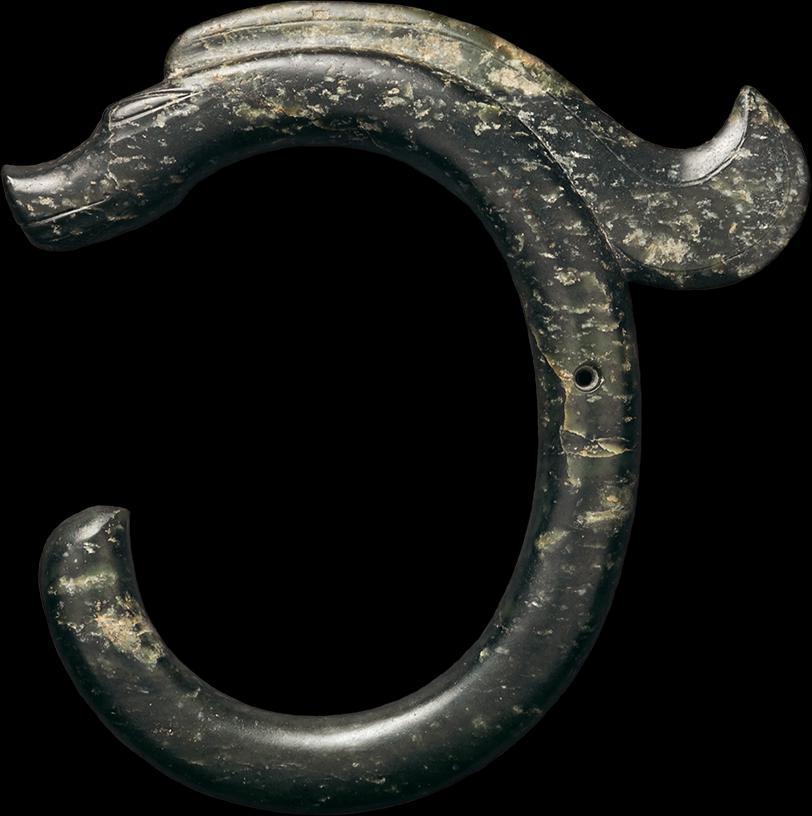
第 6 段
Marco Meccarelli, an art historian at the University of Macerata in Italy, writes that there are four reliable theories for how the loong came to be: first, a deified snake whose anatomy is a collage of other worldly animals (based upon how, as ancient Chinese tribes merged, so did the animal totems that represent them); second, a callback to the Chinese alligator; third, a reference to thunder and a harbinger of rain; and lastly, as a by-product of nature worship.
第 6 段 · 朗读与译文
意大利马切拉塔大学的艺术史学家马可·梅卡雷利(Marco Meccarelli)写道,龙的起源有四种可靠的理论:首先,它是一种被神圣化的蛇,其组成结构是其他现实中动物的拼贴(基于这样一个事实,即古代中国部落的合并导致了代表它们的动物图腾的合并);第二,它引用了中国鳄鱼的形象;第三,它是雷的代表或雨的先兆;最后,它是自然崇拜的副产品。
龙在不同语境里的意义#
第 7 段
Most of these theories point to the dragon's supposed influence on water, because they are believed to be gods of the element, and thus, agricultural numen for a bountiful harvest. Some academics have said that across regions, ancient Chinese groups continued to enrich the dragon image with features of animals most familiar to them— for example, those living near the Liaohe River in northeast China integrated the hog into the dragon image, while people in central China added the cow, and up north where Shanxi is now, earlier residents mixed the dragon's features with those of the snake.
第 7 段 · 朗读与译文
这些理论大多指出龙对水的影响,因为它们被认为是水神,因此也是丰收的保护神。一些学者说,在不同地区,古代中国群体继续用最熟悉的动物特征来丰富龙的形象 ——例如,住在中国东北辽河附近的人将猪的形象融入龙,而中国中部的人加入了牛的形象,而在北部(今山西),早期居民将蛇的特征与龙的形象混在一起。
第 8 段
A symbol of power. Nothing cemented the Chinese dragon's might better than when it became a symbol of the empire. The mythical Yellow Emperor, a legendary sovereign, is said to have been fetched by a Chinese dragon to head to the afterlife. The loong are also said to have literally fathered emperors, or at least that’s what Liu Bang, the first emperor of the Han dynasty (202-195 B.C.), made his subjects believe: that he was born after his mother consorted with a Chinese dragon.
第 8 段 · 朗读与译文
权力的象征。没有什么比成为帝国象征更能巩固中国龙的威力了。传说中的黄帝,一位传奇的君主,据说是由一条中国龙送往阴间。龙也被认为是帝王的父亲,至少汉朝第一位皇帝刘邦(公元前202-195 年)让他的臣民相信,他是他母亲与一条龙生的。
第 9 段
"The dragon totem and its corresponding clout were employed as a political tool for wielding power in imperial China," Xiaohuan Zhao, associate professor of Chinese literary and theater Studies at the University of Sydney, tells TIME.
第 9 段 · 朗读与译文
“在帝制时代的中国,龙图腾及其相应的影响力用作操纵权力的政治工具,”悉尼大学中国文学和戏剧研究副教授赵晓环告诉《时代》杂志。
第 10 段
From then on, the loong was a recurrent theme across dynasties. The seat of the emperor was called the Dragon Throne, and every emperor was called "the true Dragon as the Son of Heaven." D. C. Zhang, a researcher in the Institute of Oriental Studies at the Slovak Academy of Sciences in Bratislava, tells TIME that later dynasties even prohibited commoners from using any Chinese dragon motif on their clothes if they weren’t part of the imperial family.
第 10 段 · 朗读与译文
从那时起,龙就成为了每个朝代经常出现的主题。皇帝的座位被称为“龙椅”,每位皇帝都被称为“天子真龙”。斯洛伐克科学院东方研究所的研究员张大成(音译)告诉《时代》杂志,后来的朝代甚至禁止除皇室成员外的平民在他们的衣物上使用任何龙的图案。
第 11 段
A symbol of unity. In 1978, a Taiwanese musician composed a song entitled "Heirs of the Dragon" and the song managed to cross the strait and also resonated with citizens of the mainland. Zhang says "China was becoming stronger" and its government tried to co-opt "Heirs of the Dragon" as it needed an emblem for unification and prosperity "which would be apolitical and would be inclusive to all Chinese nations even for those living abroad."
第 11 段 · 朗读与译文
团结的象征。 1978 年,一位台湾音乐家创作了一首名为《龙的传人》的歌曲,这首歌成功地跨越了海峡,也引起了大陆公民的共鸣。张说,“中国大陆正变得越来越强大”,其政府试图采用《龙的传人》,因为它需要一个统一和繁荣的象征,“这将是非政治的,将包含所有中华民族,甚至是那些生活在国外的人。”
第 12 段
The song as well as the overt efforts to create a national symbol that transcends borders, Zhang says, play a large part in the lasting cultural significance of the loong. And the dragon's historic regality has certainly helped boost the mythos, symbolism, and popular sentimental attachment for Chinese people today, says University of Sydney's Zhao. "The basic characteristics, features, beliefs and practices associated with dragon totem and clout remain largely unchanged," he says. "It's very much a living tradition."
第 12 段 · 朗读与译文
张说,这首歌以及打造超越国界的民族象征的努力,在经久不衰的龙文化意义中发挥了重要作用。而且,龙在历史上的王权地位无疑有助于增强这套假设体系、象征手法和如今华人普遍的情感依附,悉尼大学的赵说。“与龙图腾及其影响力相关的基本特征、特点、信仰和实践基本上保持不变,”他说。“这是一个活生生的传统。”
句子怎么读#
Whereas 引出对比。先在两边各圈一组形容龙的词,再说明作者比较的是两种传统赋予它的意义。
读后复盘#
1. 为什么龙年华人的出生率就会激增?
参考回答
The birth rate among Chinese people surges in the Year of the Dragon because the dragon is seen as a symbol of strength and good fortune in Chinese culture. Many aspiring parents aim to have their children born in the Dragon Year, associated with positive superstitious traits.
2. 中西方的“龙”有何差异?
参考回答
The difference between dragons in the West and China lies in their portrayal: Western dragons are often depicted as winged, fire-breathing monsters, while the Chinese dragon, or loong, symbolizes strength and magnanimity, revered as a mythical being and the only fictional creature in the Chinese Zodiac.
3. 中国为何大力推广“龙”文化?
参考回答
China promotes dragon culture vigorously because the dragon is a powerful symbol of the empire, unity, and prosperity. It transcends borders and has a deep historical and cultural significance, resonating with Chinese people both domestically and abroad as a representation of strength, regal authority, and cultural heritage.
把表达用到新句子里#
- 电影公司决定迎合青少年观众的口味,让当红的年轻演员出演主角。
参考译法
The movie studio decided to pander to the teenage audience by casting popular young actors in lead roles.
- 将定期锻炼融入到日常生活中对于保持健康的生活方式至关重要。
参考译法
It's essential to integrate regular exercise into your daily routine to maintain a healthy lifestyle.
- 在炎热的夏天,没有什么比一杯凉水更能解渴。
参考译法
Nothing quenches my thirst better than a glass of cold water on a hot summer day.
语法自测#
1. This is so difficult a problem __ nobody can solve.
- A. that
- B. which
- C. where
- D. as
答案与理由
D 题目中problem 后面的句子缺少宾语,可判断为定语从句。在定语从句中,当先行词由 such/so/as/the same 修饰时,定语从句用as 引导。
2. —He studies very hard. —Yes, so __ and so __.
- A. he did; you did
- B. did he; did you
- C. he did; did you
- D. did he; you did
答案与理由
C 此题句意为:“他学习很用功。”“是的,他确实用功,你也一样(用功)。”表示前面所述的情况也适合于后面一个人或事物,通常在so 后用倒装句式;后一句子若只是重复前句的意思,起加强语气的作用,so 后面不用倒装句式。
讲义重点表达#
-
big deal 大事情、重要的事情
This discovery is a big deal for researchers.
这次发现对研究人员来说是很重要的。 -
a far cry from... 与...大不相同
Today's life is a far cry from that of 50 years ago.
今天的生活与50 年前的生活大不相同。 -
pervade vt.充满、弥漫(形,pervasive) The sadness pervades the novel (= is pervasive in the novel).
一种悲伤的情绪充满这本小说。 -
pander to 迎合
Newspapers are pandering to people's vulgar taste.
报纸正在迎合人们的低级趣味。 -
time vt.为...安排时间
The bomb has been timed to go off one hour later.
炸弹已经被定好一小时后爆炸。 -
come to be 形成
How did the universe come to be?
宇宙是如何形成的? -
integrate...into... 把...融入...
It is important to integrate theories into practices.
理论与实践相结合是很重要的。 -
nothing+better than... 没什么比...更好地...
Nothing improves your English better than practicing it every day.
没有什么比每天练习更能提高你的英语了。 -
wield vt.操纵、支配(力量) He is the creator of the company, but wields little power at the company.
他是公司创始人,但没啥权力。 -
prohibit...from... 禁止某人做某事
He was prohibited from engaging in related work for three years after leaving his position.
他离职后被禁止三年内从事相关工作。 -
resonate with 与...产生共鸣
The questions raised by the speaker resonated with the audience.
演讲者提出的这些问题引发了听众的共鸣。
讲义句法拆解#
1. as…做“后置定语”还是“宾补”?
1)…it snagged a spot【as the only fictional creature in the Chinese Zodiac's divine roster.】(as… 做后置定语,因为snagged a spot 意思已完整)
2)International discourse about China's economy or politics also often references the country 【as a "red dragon,”】(as…作为宾语补足语,因为references the country 意思不完整)
2. 复杂句式
That's {why, [in Years of the Dragon (which happen every 12 years)](时间状语), spikes(表语从句主语)in births tend to occur(表语从句谓语)in China (as well as other countries with large Chinese populations, <such as Singapore> (后置定语)), 【as many aspiring parents try to time their pregnancies [to result in a child <born with the beast's positive superstitious associations.>(后置定语)](目的状语)】(时间状语从句)}(表语从句)
3. so do…倒装句(so 替代前文中的动词)
a deified snake whose anatomy is a collage of other worldly animals 【(based upon [how, <as ancient Chinese tribes merged>(时间状语从句), so(替代merge)did the animal totems that represent them)](宾语从句)】(后置定语)
4. is said to have done:have done 强调过去发生的动作(先于is said) 1)The mythical Yellow Emperor, a legendary sovereign, is said to 【have been fetched】by a Chinese dragon to head to the afterlife.
2)The loong are also said to 【have literally fathered】emperors,
讲义背景知识#
1. 东方主义(Orientalism)东方主义(Orientalism)是文化理论家萨义德提出的理论,他在1978 年出版《东方主义》一书来讲述他的思想。而自该书出版后,“东方主义”一词在学术界流行,来代指西方世界国家对中东、亚洲和北非社会的普遍高傲态度。
在萨义德的分析中,西方世界把这些地区描述为停滞的和不发达的,把东方他者化、边缘化,把东方当成西方的对立面,即东方是“他们”,塑造西方幻想中的东方世界。这被用来突显西方文化的优越,成就欧洲的主体性及文化认同。而这些对东方世界的刻板印象直接或间接地合理化西方的帝国主义及殖民主义,巩固了西方文化等于优越,东方文化则是低劣的观念。并这让西方将“东方”文化和人民视为对西方文明的威胁。所谓中国威胁论就是东方主义的一种延伸。
2. 四元素说(the four elements)四元素说是古代哲学和自然科学的一个理论框架,将世界的物质构成归纳为四种基本元素:土、水、火和风(或气)。这一理论在古代希腊哲学、印度哲学和中国哲学等多个文化中都有所涉及。
四元素理论认为,这些元素构成了宇宙万物,它们相互作用和转化,是世界万物生成和变化的基础。其中水元素最重要。西方第一位哲学家泰勒斯(约公元前625-547)认为宇宙万物都是由水这种基本元素构成的。
这一理论在古代被广泛接受,并影响了后世的科学、哲学和文化观念。
课文词汇查阅#
展开词汇表
- beast: /biːst/ n.野兽(这里指“龙”这样的瑞兽)
- big deal: 重要的事情
- birth rate: 出生率
- peak: /piːk/ vi.达到顶峰(亦可做名词)
- live: /laɪv/ adj.活的(亦可作动词)
- a far cry from…: 与…大相径庭、相去甚远
- statistical: /stəˈtɪstɪk(ə)l/ adj.数据上的(statistics: n.数据)
- anomaly: 英/əˈnɒməli/ 美/əˈnɑːməli/ n.反常现象(anomalous: adj.反常的)
- ongoing: 英/ˈɒnɡəʊɪŋ/ 美/ˈɑːnɡoʊɪŋ/ adj.持续的
- state: /steɪt/ n.状态
- demographic: /ˌdeməˈɡræfɪk/ adj.人口结构的、人口统计的(名,demography 人口学)
- reverse: 英/rɪˈvɜːs/ 美/rɪˈvɜːrs/ vt.逆转
- baby boom: 婴儿潮
- depict: /dɪˈpɪkt/ vt.描绘
- symbol: /ˈsɪmb(ə)l/ n.象征(symbolize: vt.象征)
- magnanimity: /ˌmæɡnəˈnɪməti/ n.大度(magnanimous: adj.大度的)
- mythical: /ˈmɪθɪkl/ adj.神话中的(名,myth)
- revere: 英/rɪˈvɪə(r)/ 美/rɪˈvɪr/ vt.尊重
- snag a spot: 抢到一个位置
- fictional: /ˈfɪkʃən(ə)l/ adj.虚构的(名,fiction)
- the Chinese Zodiac: 生肖(zodiac: n.黄道十二宫)
- divine: /dɪˈvaɪn/ adj.神圣的
- roster: 英/ˈrɒstə(r)/ 美/ˈrɑːstər/ n.花名册
- imagery: /ˈɪmɪdʒəri/ n.意象
- pervade: 英/pəˈveɪd/ 美/pərˈveɪd/ vt.渗透、弥漫、遍及(pervasive: adj.弥漫的)
- discourse: 英/ˈdɪskɔːs/ 美/ˈdɪskɔːrs/ n.话语
- reference: /ˈrefrəns/ vt.提及
- critic: /ˈkrɪtɪk/ n.批评者
- pander to: 迎合、满足
- Orientalism: /ˌɔːrɪˈentəˌlɪzəm/ n.东方主义(批判西方对东方的刻板印象)
- descendant: /dɪˈsendənt/ n.后裔(descend: vi.下降)
- spike: /spaɪk/ n.激增
- occur: 英/əˈkɜː(r)/ 美/əˈkɜːr/ vi.发生
- aspiring: /əˈspaɪərɪŋ/ adj.渴望的(aspire: vi.渴望)
- time: /taɪm/ vt.为…安排时间(亦可作名词)
- pregnancy: /ˈpreɡnənsi/ n.怀孕
- result in: 造成
- superstitious: 英/ˌsuːpəˈstɪʃəs/ 美/ˌsuːpərˈstɪʃəs/ adj.迷信的
- association: /əˌsəʊʃiˈeɪʃn/ n.联系
- prosperity: 英/prɒˈsperəti/ 美/prɑːˈsperəti/ n.繁荣(prosperous: adj.繁荣的)
- archaeologist: 英/ˌɑːkiˈɒlədʒɪst/ 美/ˌɑːrkiˈɑːlədʒɪst/ n.考古学家
- unearth: 英/ʌnˈɜːθ/ 美/ʌnˈɜːrθ/ vt.出土
- date back to: 追溯到
- Neolithic: /ˌniːəˈlɪθɪk/ adj.新石器时代的
- carving: 英/ˈkɑːvɪŋ/ 美/ˈkɑːrvɪŋ/ n.雕刻物品
- snout: /snaʊt/ n.(猪等动物的)口鼻部(吻部)
- mane: /meɪn/ n.(马)鬃;(狮)鬣毛
- be traced back to: 追溯到...
- millennia: /mɪˈleniə/ n.一千年
- reliable: /rɪˈlaɪəb(ə)l/ adj.可靠的(rely: vi.依靠)
- come to be: 形成
- deified: /ˈdiːɪfaɪd/ adj.被神化的(deify: vt.神化; deity: n.神明)
- anatomy: /əˈnætəmi/ n.解剖、身体结构
- collage: 英/ˈkɒlɑːʒ/ 美/kəˈlɑːʒ/ n.拼贴
- worldly: 英/ˈwɜːldli/ 美/ˈwɜːrldli/ adj.世间的(world+ly)
- based upon…: 基于
- tribe: /traɪb/ n.部落
- merge: 英/mɜːdʒ/ 美/mɜːrdʒ/ vi.合并、相融
- totem: 英/ˈtəʊtəm/ 美/ˈtoʊtəm/ n.图腾
- represent: /ˌreprɪˈzent/ vt.代表
- callback: /ˈkɔːlbæk/ n.回拨(这里表示“引用、回顾”)
- alligator: 英/ˈælɪɡeɪtə(r)/ 美/ˈælɪɡeɪtər/ n.鳄鱼(短吻鳄)
- harbinger: 英/ˈhɑːbɪndʒə(r)/ 美/ˈhɑːrbɪndʒər/ n.预兆
- by-product: n.副产品
- worship: 英/ˈwɜːʃɪp/ 美/ˈwɜːrʃɪp/ n.崇拜
- supposed: 英/səˈpəʊzd/ 美/səˈpoʊzd/ adj. 所谓的(suppose: vt.认为)
- element: /ˈelɪmənt/ n.要素(旧时认为土、空气、火和水是构成一切物质的四大要素)
- numen: 英/ˈnjuːmən/ 美/ˈnjʊmən/ n.守护神
- bountiful: /ˈbaʊntɪf(ə)l/ adj.大量的、丰富的、充足的
- enrich: /ɪnˈrɪtʃ/ vt.丰富
- integrate: /ˈɪntɪɡreɪt/ vt.融合
- hog: 英/hɒɡ/ 美/hɔːɡ/ n.(尤指喂肥供食用的)猪
- cement: /sɪˈment/ vt.巩固
- might: /maɪt/ n.威力、强大力量(另,情态动词; mighty: adj.有威力的)
- legendary: 英/ˈledʒəndri/ 美/ˈledʒənderi/ adj.传说中的
- sovereign: 英/ˈsɒvrɪn/ 美/ˈsɑːvrɪn/ n.君主;元首
- fetch: /fetʃ/ vt.接
- head to: 前往
- afterlife: 英/ˈɑːftəlaɪf/ 美/ˈæftərlaɪf/ n.死后生活、阴间
- father: 英/ˈfɑːðə(r)/ 美/ˈfɑːðər/ vt.成为…的父亲
- subject: 英/ˈsʌbdʒɪkt/ 美/ˈsʌbdʒekt/ n.子民
- consort with: 与…保持亲密关系(consort: n.在位君主的配偶)
- corresponding: 英/ˌkɒrəˈspɒndɪŋ/美/ˌkɔːrəˈspɑːndɪŋ/ adj.相应的
- clout: / klaʊt / n.影响力
- employ: /ɪmˈplɔɪ/ vt.雇佣;运用、使用
- wield: /wiːld/ vt.操纵、支配(+power)
- imperial: 英/ɪmˈpɪəriəl/ 美/ɪmˈpɪriəl/ adj.与帝国有关的(
- associate professor: 副教授
- recurrent: 英/rɪˈkʌrənt/ 美/rɪˈkɜːrənt/ adj. 反复出现的
- throne: 英/θrəʊn/ 美/θroʊn/ n.王位
- prohibit…from…: 禁止某人做某事
- commoner: 英/ˈkɒmənə(r)/ 美/ˈkɑːmənər/ n.平民
- motif: 英/məʊˈtiːf/ 美/moʊˈtiːf/ n.装饰图案
- compose: 英/kəmˈpəʊz/ 美/kəmˈpoʊz/ vt.创作
- entitle: /ɪnˈtaɪt(ə)l/ vt.给…命名
- manage to…: 成功地…
- resonate with: 与…产生共鸣
- co-opt: 英/ˌkəʊ ˈɒpt/ 美/ˌkoʊ ˈɑːpt/ vt.笼络
- emblem: /ˈembləm/ n.符号、象征
- unification: /ˌjuːnɪfɪˈkeɪʃ(ə)n/ n.统一(unify: vt.统一)
- apolitical: /ˌeɪpəˈlɪtɪkl/ adj.非政治的(a+political)
- inclusive: /ɪnˈkluːsɪv/ adj.包容的(include: vt.包含)
- nation: /ˈneɪʃ(ə)n/ n.民族
- overt: 英/əʊˈvɜːt/ 美/oʊˈvɜːrt/ adj.公开的、明显的
- transcend: /trænˈsend/ vt.跨越
- play a large part in…: 在…扮演重要作用
- lasting: 英/ˈlɑːstɪŋ/ 美/ˈlæstɪŋ/ adj.持久的(last: vi.持久)
- regality: 英/rɪˈɡælɪtɪ/ 美/riˈɡæləti/ n.王位、王权(regal: adj.帝王的)
- boost: /buːst/ vt.增强、推动
- mythos: 英/ˈmaɪθɒs/ 美/ˈmaɪθɑːs/ n.神话;一整套假设体系
- symbolism: /ˈsɪmbəlɪzəm/ n.象征主义、象征手法(symbol: n.象征)
- sentimental: /ˌsentɪˈment(ə)l/ adj.情感上的
- attachment: /əˈtætʃmənt/ n.依附(attach: vt.依附)
- associated with: 跟…相关的
对照阅读#
- home 和龙都超出字面指称。各找一处作者从词义转入文化联想的地方,用自己的例子解释这个转折。 见 回家为什么意味着归属4。
- 练习本文的语言点,可对照 词义辨析与语境复习11。
- 侃哥外刊阅读指南54
同主题对照#
比较一个词或形象怎样在不同历史和语言环境里改变意义。
- 对照课文:外刊22-14·圣诞老人到底是谁?4。
- 继续选题:文化与评论25。
| 类型 | 笔记 |
|---|---|
| 标签 |