小王子第04章·B612小行星
本章读“B612小行星”。先听一遍,再用英文原文核对没有听清的一句话;中文译文可在篇末按需展开。
英文原文#
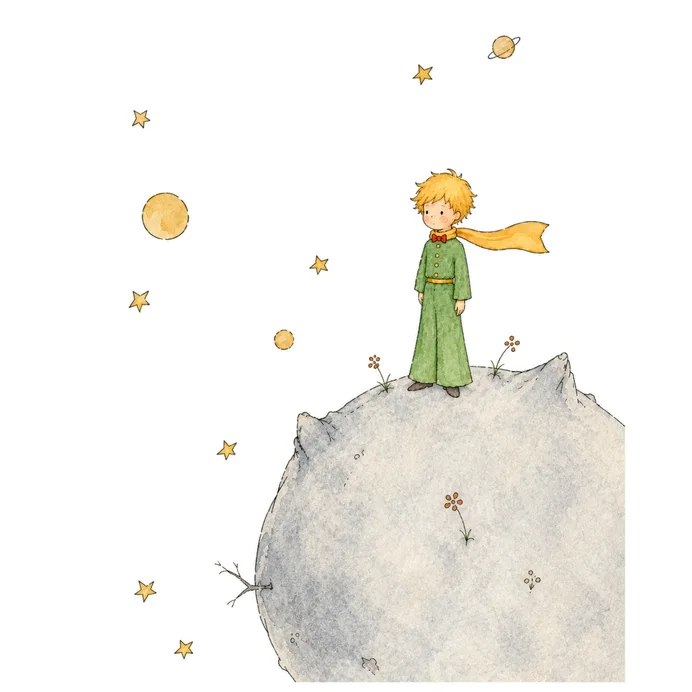
I had thus learned a second fact of great importance: this was that the planet the little prince came from was scarcely any larger than a house!
But that did not really surprise me much. I knew very well that in addition to the great planets—such as the Earth, Jupiter, Mars, Venus—to which we have given names, there are also hundreds of others, some of which are so small that one has a hard time seeing them through the telescope. When an astronomer discovers one of these he does not give it a name, but only a number. He might call it, for example, “Asteroid 325.”
I have serious reason to believe that the planet from which the little prince came is the asteroid known as B-612.
This asteroid has only once been seen through the telescope. That was by a Turkish astronomer, in 1909.
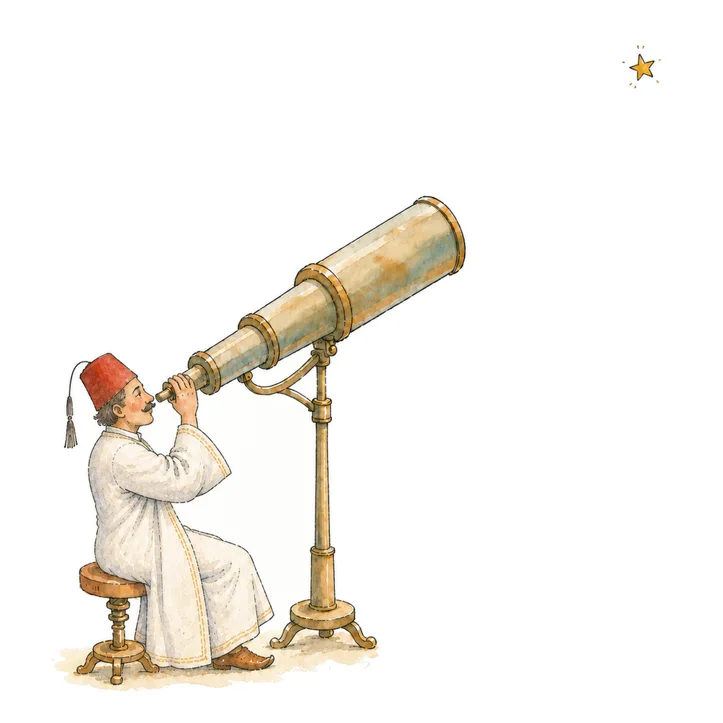
On making his discovery, the astronomer had presented it to the International Astronomical Congress, in a great demonstration. But he was in Turkish costume, and so nobody would believe what he said.
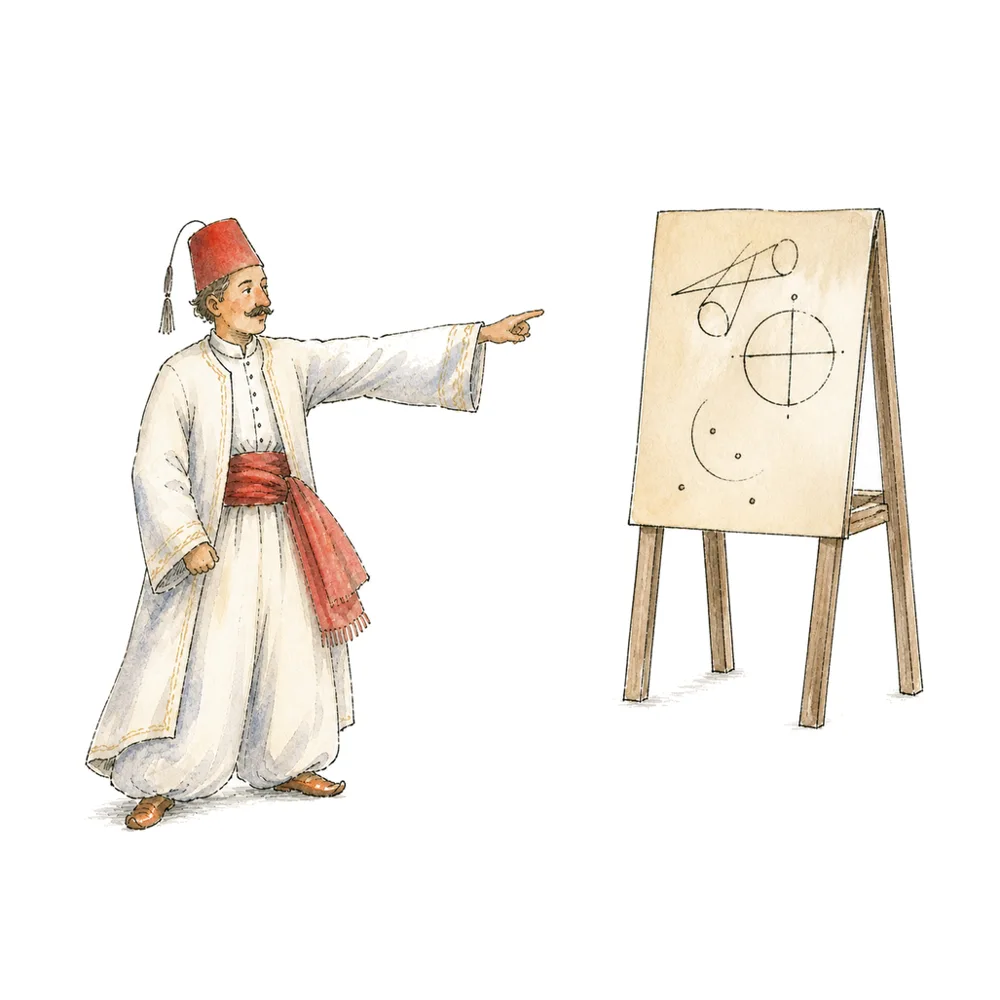
Grown-ups are like that ...
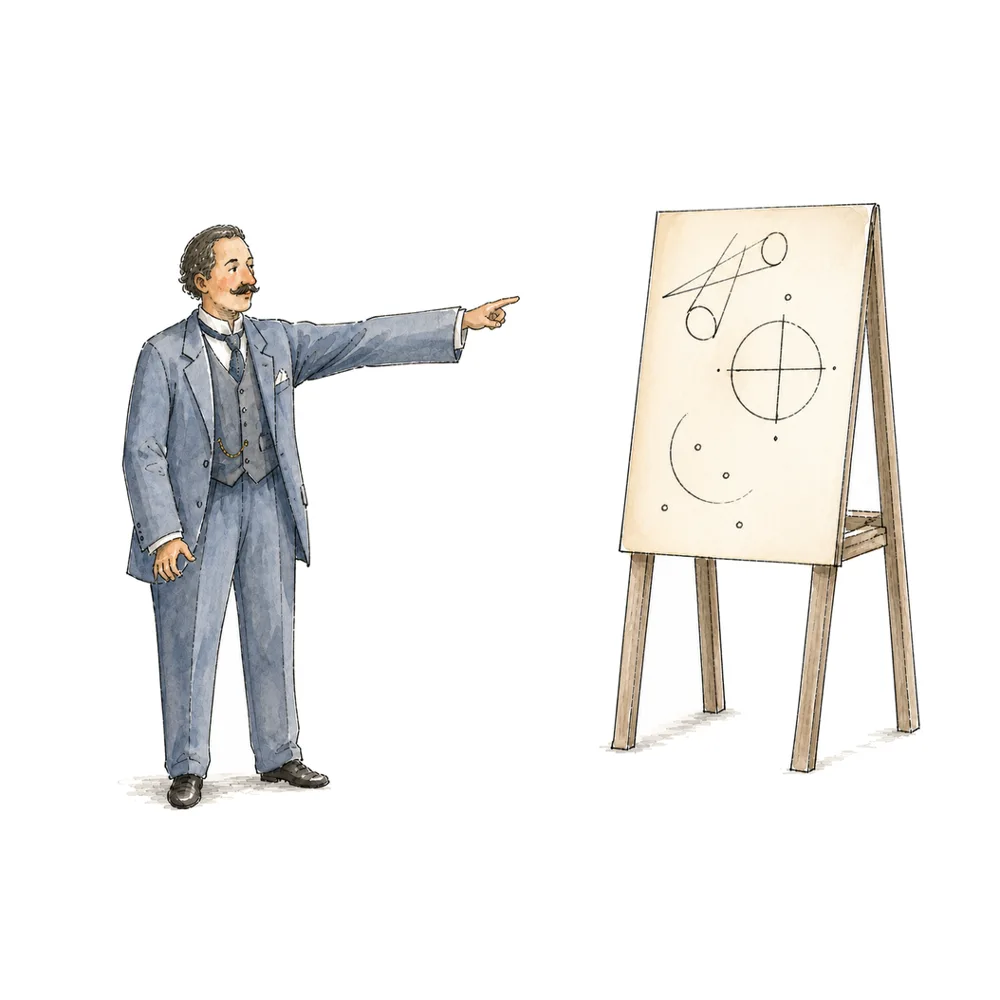
Fortunately, however, for the reputation of Asteroid B-612, a Turkish dictator made a law that his subjects, under pain of death, should change to European costume. So in 1920 the astronomer gave his demonstration all over again, dressed with impressive style and elegance. And this time everybody accepted his report.
If I have told you these details about the asteroid, and made a note of its number for you, it is on account of the grown-ups and their ways. When you tell them that you have made a new friend, they never ask you any questions about essential matters. They never say to you, “What does his voice sound like? What games does he love best? Does he collect butterflies?” Instead, they demand: “How old is he? How many brothers has he? How much does he weigh?
How much money does his father make?” Only from these figures do they think they have learned anything about him.
If you were to say to the grown-ups: “I saw a beautiful house made of rosy brick, with geraniums in the windows and doves on the roof,” they would not be able to get any idea of that house at all. You would have to say to them: “I saw a house that cost $20,000.” Then they would exclaim: “Oh, what a pretty house that is!”
Just so, you might say to them: “The proof that the little prince existed is that he was charming, that he laughed, and that he was looking for a sheep. If anybody wants a sheep, that is a proof that he exists.” And what good would it do to tell them that? They would shrug their shoulders, and treat you like a child. But if you said to them: “The planet he came from is Asteroid B-612,” then they would be convinced, and leave you in peace from their questions.
They are like that. One must not hold it against them. Children should always show great forbearance toward grown-up people.
But certainly, for us who understand life, figures are a matter of indifference. I should have liked to begin this story in the fashion of the fairy-tales. I should have liked to say: “Once upon a time there was a little prince who lived on a planet that was scarcely any bigger than himself, and who had need of a sheep ...”
To those who understand life, that would have given a much greater air of truth to my story.
For I do not want any one to read my book carelessly. I have suffered too much grief in setting down these memories. Six years have already passed since my friend went away from me, with his sheep. If I try to describe him here, it is to make sure that I shall not forget him. To forget a friend is sad. Not every one has had a friend. And if I forget him, I may become like the grown-ups who are no longer interested in anything but figures...
It is for that purpose, again, that I have bought a box of paints and some pencils. It is hard to take up drawing again at my age, when I have never made any pictures except those of the boa constrictor from the outside and the boa constrictor from the inside, since I was six.
I shall certainly try to make my portraits as true to life as possible. But I am not at all sure of success. One drawing goes along all right, and another has no resemblance to its subject. I make some errors, too, in the little prince’s height: in one place he is too tall and in another too short. And I feel some doubts about the color of his costume. So I fumble along as best I can, now good, now bad, and I hope generally fair-to-middling.
In certain more important details I shall make mistakes, also. But that is something that will not be my fault. My friend never explained anything to me. He thought, perhaps, that I was like himself. But I, alas, do not know how to see sheep through the walls of boxes. Perhaps I am a little like the grown-ups. I have had to grow old.
中文对照#
展开本章中文译文
这样,我又知道了第二件很重要的事:小王子来的那颗星球,几乎只比一座房子大一点!
不过,这倒没让我太吃惊。我很清楚,除了地球、木星、火星、金星这些有名字的大行星,还有成百上千颗别的星球。有的非常小,即使用望远镜也很难看见。天文学家发现这样一颗星球时, 不会给它取名字,只会给它一个编号,比如“325号小行星”。
我有充分的理由相信,小王子来的那颗星球,就是人们所说的B-612小行星。
这颗小行星只被人通过望远镜看见过一次,那是在1909年,看到它的是一位土耳其天文学家。
发现这颗小行星后,这位天文学家在国际天文学大会上郑重地展示了他的发现。可是,他穿着土耳其服装,所以没有人相信他的话。
大人们就是这样…… 不过,对B-612小行星的声誉来说,幸运的事发生了:一位土耳其独裁者颁布法律,命令臣民改穿欧洲服装,违者处死。于是, 1920年,那位天文学家穿着气派、优雅的服装,又把自己的发现展示了一遍。这一次,所有人都接受了他的报告。
我之所以告诉你这些关于小行星的细节,还特意记下它的编号, 都是因为大人们的那套习惯。你告诉他们自己交了一个新朋友, 他们从来不问真正重要的事。他们不会问:“他的声音是什么样的?他最喜欢玩什么游戏?他收集蝴蝶吗?”他们只会追问: “他多大了?有几个兄弟?有多重?他爸爸挣多少钱?”只有听到这些数字,他们才觉得自己了解了这个人。
如果你对大人们说:“我看见一座漂亮的房子,是用玫瑰色的砖砌成的,窗台上有天竺葵,屋顶上有鸽子。”他们完全想象不出那座房子的样子。你必须说:“我看见一座值两万美元的房子。”他们才会惊叹:“哦,那房子可真漂亮!”
同样,你也许会对他们说:“小王子存在过的证据,就是他很可爱,他会笑,而且他在找一只羊。一个人想要一只羊,就证明他是存在的。”可说这些又有什么用呢?他们只会耸耸肩,把你当小孩子看待。但如果你说:“他来的那颗星球是B-612小行星。”他们就会相信,不再问东问西,让你清静了。
他们就是这样。我们不该因此责怪他们。孩子们对大人应该多一些宽容。
当然,对我们这些懂得生活的人来说,数字并不重要。我本来很想用童话的方式来讲这个故事:“从前,有一位小王子,住在一颗几乎比他自己大不了多少的星球上。他需要一只羊……”
对懂得生活的人来说,这样讲反而会让我的故事真实得多。
因为我不希望有人漫不经心地读这本书。写下这些回忆时,我承受了太多悲伤。我的朋友带着他的羊离开我,已经六年了。我在这里努力描绘他的样子,是为了不忘记他。忘记一个朋友是很难过的事。并不是每个人都曾拥有过朋友。要是我忘了他,也许就会变得和那些大人一样,除了数字,对什么都不再感兴趣…… 也正是为了这个缘故,我又买了一盒颜料和几支铅笔。从六岁起,除了蟒蛇的外部和内部,我就再没画过别的。到了这个年纪,重新拿起画笔实在不容易。我当然会努力把他的画像画得尽可能逼真,可我一点也没有把握。有一幅画得还不错,另一幅却完全不像。我也会把小王子的个子画错,这一幅太高,那一幅又太矮。他衣服的颜色,我也有些拿不准。我只能尽力摸索着画下去,时好时坏,希望总的来说还过得去。
在一些更重要的细节上,我也会出错。但那就不能怪我了。我的朋友从来不给我解释什么。他也许以为我和他一样。可惜,我不会隔着盒子看见里面的羊。也许我确实有点像大人了。毕竟,我也不得不长大、变老。
回到 小王子双语分章阅读30 选章,或在 小王子精读03·从哪里来与B6125 跟读课堂选段。
对照课堂译本#
展开 Alan Wakeman 英译的第 4 章
So that was how I discovered a second important thing: that the planet he came from was scarcely bigger than a house!
This didn’t particularly surprise me. I knew that, apart from the big planets which have been given names: like Earth, Jupiter, Mars and Venus, there are hundreds of others, some of which are so tiny you can hardly see them through a telescope. When an astronomer discovers one he gives it a number for a name. For example, he might call it Asteroid 3251.
I have good reasons for thinking that the planet the little prince came from is Asteroid B 612. This asteroid has only been seen once through a telescope, by a Turkish astronomer, in 1909.
He gave a lecture about his discovery at an International Congress of Astronomy at the time, but no one believed him because of the clothes he was wearing. Grown-ups are like that.
Luckily for the reputation of Asteroid B 612, a Turkish dictator forced his people to wear European clothes on penalty of death. The astronomer gave his lecture again in 1920 dressed in a smart suit. And this time everyone believed him.
I’ve given all these details about Asteroid B 612, including its number, for the benefit of grown-ups. Grown-ups like numbers. When you talk to them about a new friend, they never want to know about the important things. They never say: ‘What’s his voice like? What are his favourite games? Does he collect butterflies?’ They ask: ‘How old is he? How many brothers has he got? How much does he weigh? How much does his father earn?’ And they imagine this will help them to find out what he’s like! If you say to grown-ups:
‘I once saw a lovely pink brick house, with geraniums in the windows and doves on the roof.’ they’ll never manage to visualize it. You have to say: ‘I once saw a hundred-thousand-franc house.’
Then they’ll all cry: ‘How pretty!’ So if you say: ‘The proof that the little prince existed is that he was delightful, that he laughed and wanted a sheep. When you want a sheep, that’s proof that you exist,’ they’ll shrug their shoulders and treat you like a child. But if you say: ‘The planet he came from is Asteroid B 612,’ they’ll be convinced and will leave you alone with their questions.
They’re like that. You mustn’t get cross with them. Children must be very tolerant towards grown-ups.
But, of course, those of us who understand life don’t give a fig about numbers! I would have liked to have begun this story like a fairy tale. I would have liked to have said:
‘Once Upon a Time there was a little prince who lived on a planet hardly bigger than he was, and who needed a friend.’ For those who understand such things it would have seemed a lot more true to life.
For I don’t want this book taken lightly. It’s very painful for me to recall these events. It’s already six years since my friend went away with his sheep. The reason I’m trying to describe him here is so that I won’t forget him. It’s sad to forget a friend. Not everyone’s had a friend. And then I might become like grown-ups… only interested in numbers. That’s why I’ve bought pencils and a paint-box. It’s hard to start drawing again at my age when the only attempts I’ve ever made have been open and closed boa-constrictors at the age of six. Of course I’ll try to get the best likeness I can. But I’m not sure I’ll succeed. One drawing works, another doesn’t. I may get the size a bit wrong. Here the little prince is too big, there he’s too small. I’m also unsure about the colour of his clothes. So I guess this and that, as best I can. In the end I may get some important details wrong. You must forgive me. My friend never explained anything. Perhaps he thought I was like him. But unfortunately I can’t see sheep through boxes. Perhaps I’m a bit like grown-ups. I must be getting old.