小王子第05章·猴面包树
本章读“猴面包树”。先听一遍,再用英文原文核对没有听清的一句话;中文译文可在篇末按需展开。
英文原文#
As each day passed I would learn, in our talk, something about the little prince’s planet, his departure from it, his journey. The information would come very slowly, as it might chance to fall from his thoughts. It was in this way that I heard, on the third day, about the catastrophe of the baobabs.
This time, once more, I had the sheep to thank for it. For the little prince asked me abruptly—as if seized by a grave doubt—“It is true, isn’t it, that sheep eat little bushes?”
“Yes, that is true.”
“Ah! I am glad!”
I did not understand why it was so important that sheep should eat little bushes. But the little prince added:
“Then it follows that they also eat baobabs?”
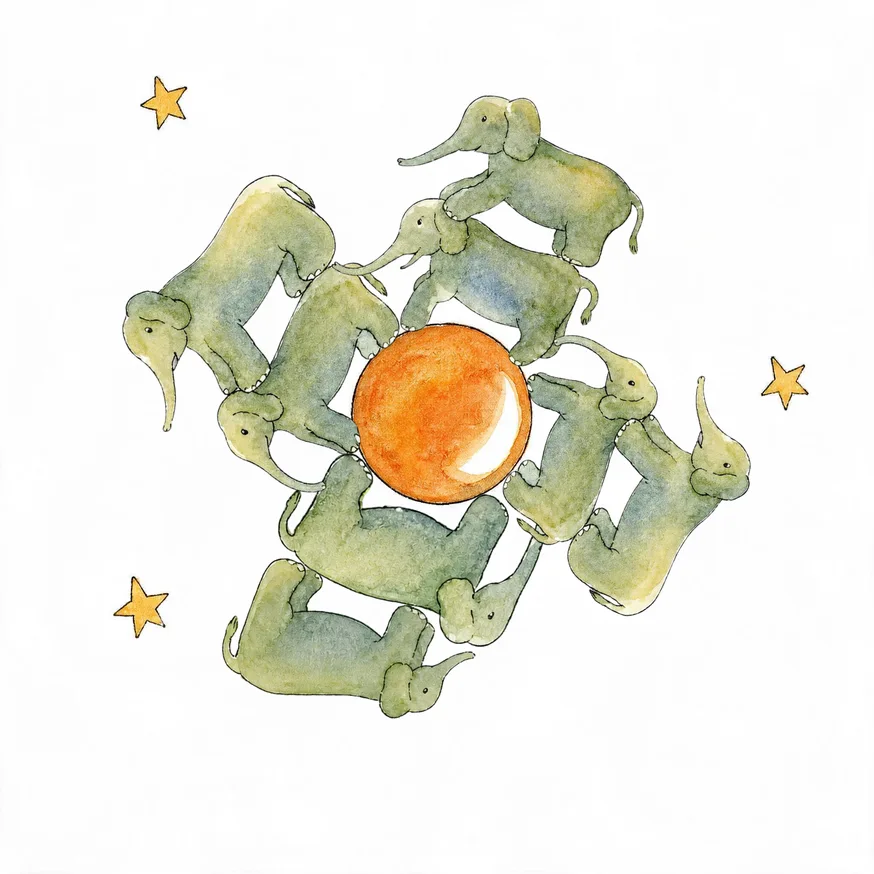
I pointed out to the little prince that baobabs were not little bushes, but, on the contrary, trees as big as castles; and that even if he took a whole herd of elephants away with him, the herd would not eat up one single baobab.
The idea of the herd of elephants made the little prince laugh.
“We would have to put them one on top of the other,” he said.
But he made a wise comment:
“Before they grow so big, the baobabs start out by being little.”
“That is strictly correct,” I said. “But why do you want the sheep to eat the little baobabs?”
He answered me at once, “Oh, come, come!”, as if he were speaking of something that was self-evident. And I was obliged to make a great mental effort to solve this problem, without any assistance.
Indeed, as I learned, there were on the planet where the little prince lived—as on all planets—good plants and bad plants. In consequence, there were good seeds from good plants, and bad seeds from bad plants. But seeds are invisible.
They sleep deep in the heart of the earth’s darkness, until some one among them is seized with the desire to awaken. Then this little seed will stretch itself and begin—timidly at first—to push a charming little sprig inoffensively upward toward the sun. If it is only a sprout of radish or the sprig of a rose-bush, one would let it grow wherever it might wish. But when it is a bad plant, one must destroy it as soon as possible, the very first instant that one recognizes it.
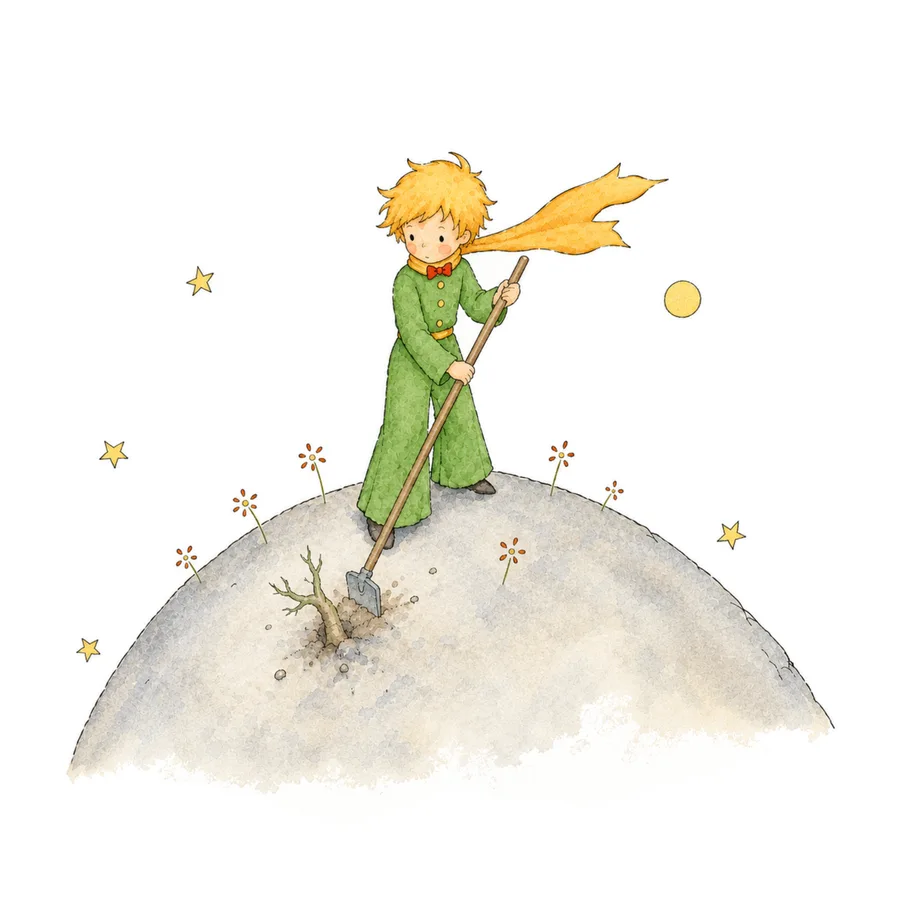
Now there were some terrible seeds on the planet that was the home of the little prince; and these were the seeds of the baobab. The soil of that planet was infested with them. A baobab is something you will never, never be able to get rid of if you attend to it too late. It spreads over the entire planet. It bores clear through it with its roots. And if the planet is too small, and the baobabs are too many, they split it in pieces ...
“It is a question of discipline,” the little prince said to me later on. “When you’ve finished your own toilet in the morning, then it is time to attend to the toilet of your planet, just so, with the greatest care. You must see to it that you pull up regularly all the baobabs, at the very first moment when they can be distinguished from the rosebushes which they resemble so closely in their earliest youth. It is very tedious work,” the little prince added, “but very easy.”
And one day he said to me: “You ought to make a beautiful drawing, so that the children where you live can see exactly how all this is. That would be very useful to them if they were to travel some day. Sometimes,” he added, “there is no harm in putting off a piece of work until another day. But when it is a matter of baobabs, that always means a catastrophe. I knew a planet that was inhabited by a lazy man. He neglected three little bushes ...”
So, as the little prince described it to me, I have made a drawing of that planet. I do not much like to take the tone of a moralist. But the danger of the baobabs is so little understood, and such considerable risks would be run by anyone who might get lost on an asteroid, that for once I am breaking through my reserve. “Children,” I say plainly, “watch out for the baobabs!”
My friends, like myself, have been skirting this danger for a long time, without ever knowing it; and so it is for them that I have worked so hard over this drawing. The lesson which I pass on by this means is worth all the trouble it has cost me.
Perhaps you will ask me, “Why are there no other drawings in this book as magnificent and impressive as this drawing of the baobabs?”
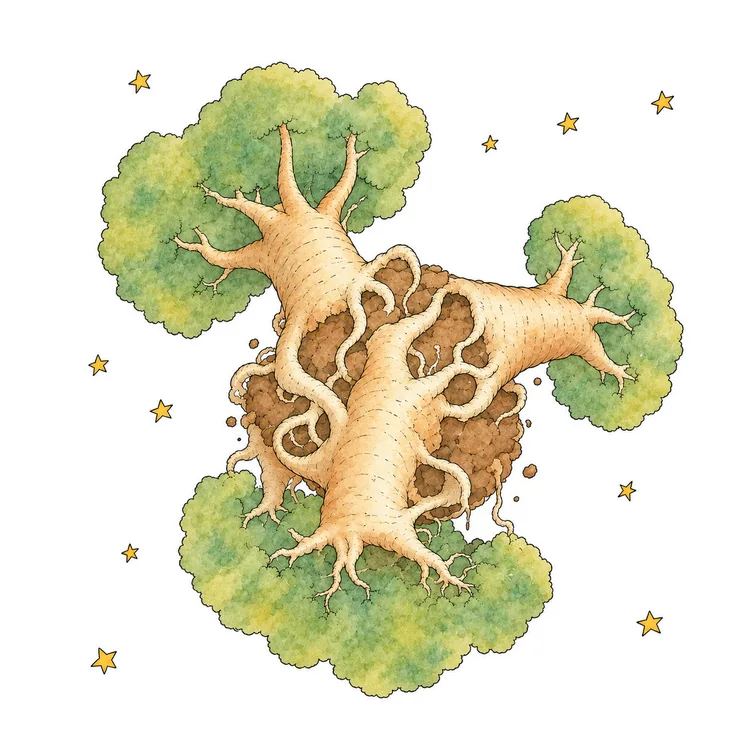
The reply is simple. I have tried. But with the others I have not been successful. When I made the drawing of the baobabs I was carried beyond myself by the inspiring force of urgent necessity.
中文对照#
展开本章中文译文
日子一天天过去,我从交谈中渐渐了解了小王子的星球、他离开星球的经过,以及一路上的旅行。这些事情,他只是想到什么就偶然说起一点,所以我了解得很慢。到了第三天,我就是这样听说了猴面包树带来的灾难。
这一次,又得感谢那只羊。小王子像是突然被一个重大的疑问困住了,冷不丁问我:“羊会吃小灌木,对不对?”
“对,会吃的。”
“啊!太好了!”
我不明白,羊会吃小灌木为什么这么重要。可小王子接着问:
“那它们也会吃猴面包树吧?”
我告诉小王子,猴面包树可不是小灌木,恰恰相反,它们是像城堡一样高大的树。就算他带上一整群大象,也吃不完一棵猴面包树。
想到一整群大象,小王子笑了。
“那我们得把它们一只叠在另一只上面。”他说。
不过,他也说了一句很有道理的话:
“猴面包树长得那么大以前,一开始也是很小的。”
“这完全没错,”我说,“可你为什么想让羊吃掉小猴面包树呢?”
“哎呀,这还用问吗!”他马上回答,仿佛这是一件不言而喻的事。于是,我只好在没有任何帮助的情况下,自己绞尽脑汁地想明白。
我后来才知道,小王子住的星球和所有星球一样,有好植物,也有坏植物。所以,也就有好植物结出的好种子和坏植物结出的坏种子。不过,种子是看不见的。它们沉睡在泥土深处的黑暗里, 直到其中一粒突然想要醒来。于是,小种子舒展身体,起初还有些胆怯,朝着太阳长出一根可爱、无害的小嫩芽。
如果只是萝卜芽或玫瑰的嫩枝,人们就任它爱长在哪里长在哪里。可如果是坏植物,就得在刚认出它的那一刻,尽快把它除掉。
小王子的星球上就有一些可怕的种子:猴面包树的种子。那里的土壤到处都是它们。猴面包树要是处理得太晚,就再也除不掉了,永远也除不掉。它会蔓延到整个星球,树根把星球钻个透。如果星球太小,猴面包树又太多,它们就会把星球撑得四分五裂…… “这是个自律的问题,”小王子后来对我说,“早上给自己梳洗完,就该给星球好好清理了,也要一样认真。猴面包树小时候长得很像玫瑰,一旦能分辨出来,就得及时拔掉,而且必须经常清理。”“这活儿很乏味,”他补充说,“不过很容易。”
有一天,他对我说:“你应该画一幅漂亮的画,让你那里的孩子们看清楚,这到底是怎么回事。要是他们有一天出门旅行,这幅画会很有用。
有时候,”他又说,“把一件事拖到第二天做,也没什么坏处。但猴面包树的事只要一拖,就会酿成灾难。我知道一颗星球,上面住着一个懒人。他没去管三棵小灌木……”
于是,我照着小王子的描述,画出了那颗星球。我不太喜欢用道德家的口吻说教。可人们对猴面包树的危险知道得太少,而任何在小行星上迷路的人,都可能面临那么大的风险,所以这一次, 我要打破自己的克制。“孩子们,”我直截了当地说,“当心猴面包树!”
我的朋友们和我一样,长久以来一直在这种危险的边缘徘徊,自己却毫不知情。我正是为了他们,才花这么大力气画这幅画。能用这种方式把这个教训告诉他们,我付出的辛苦就都值得了。
你也许会问:“这本书里的其他画,为什么没有一幅像这幅猴面包树这样壮观、这样令人震撼呢?”
答案很简单。我试过了,但其他画都没有成功。画猴面包树时, 那种非画好不可的迫切感激励着我,让我发挥出了超乎平常的水平。
回到 小王子双语分章阅读30 选章,或在 小王子精读04·给星球拔除猴面包树4 跟读课堂选段。
对照课堂译本#
展开 Alan Wakeman 英译的第 5 章
Every day I discovered something else about his planet, or his departure, or his journey. It came gradually, by chance remarks. Thus, on the third day, I heard about the problem of the baobabs.
This time too it was thanks to the sheep because the little prince seemed suddenly struck with doubt and demanded sharply:
‘Sheep do eat bushes, don’t they?’ ‘Yes, they do.’ ‘Oh good.’ I didn’t understand why it was so important that sheep should eat bushes. But the little prince added:
‘So obviously they eat baobabs too, don’t they?’ I remarked to the little prince that baobabs are hardly bushes, but enormous trees as big as a church, and that even if he took a whole herd of elephants with him they’d hardly manage to finish a single baobab.
The idea of the herd of elephants made the little prince laugh: ‘You’d have to pile them on top of one another!’ But then he remarked wisely: ‘Before they get big, baobabs start out small.’ ‘That’s true. But why do you want your sheep to eat small baobabs?’ ‘Well,’ he said, as if he had to explain something obvious and I needed a big effort of concentration to understand the problem all on my own, ‘Let’s see…’
And, in fact, on the little prince’s planet, as on all planets, there were both useful plants and weeds. Therefore plant seeds and weed seeds. But seeds are invisible. They sleep secretly underground till one of them takes it into its head to wake up.
Whereupon it has a stretch and, timidly at first, begins sending out a pretty, harmless little shoot towards the sun. If it’s a radish or rosebush shoot it can be left to grow how it likes. But if it’s a weed it has to be pulled out directly, just as soon as you can recognize it. Well, on the little prince’s planet there were some horrible seeds: baobab seeds! The soil of the planet was thick with them. Now it’s impossible to get rid of a baobab once it’s taken hold. It takes over the whole planet. It drills through the soil with its roots. And if the planet is too small and there are too many baobabs, they can burst it apart.
‘It’s a matter of self-discipline,’ the little prince said to me later. ‘After my morning wash, I must carefully do the planet’s morning wash… by pulling out every single baobab shoot, just as soon as I can tell the difference between them and the rosebushes, which they’re very similar to when young. It’s boring work, but very easy.’
And one day he advised me to try very hard to do a beautiful picture to help earth children to understand all this. ‘If they ever travel it might be useful,’ he said. ‘It’s sometimes all right to put off doing a job till later, but with baobabs it’s always a disaster. I once knew a planet where a lazybones lived. He couldn’t be bothered with three little bushes… ’
And, following the prince’s instructions, I did this picture of the lazybones’s planet. Now I don’t want to preach, but the danger of baobabs is so little known and the risks for someone who goes wandering off to an asteroid are so enormous that, for once, I’ll overcome my reluctance and say it right out: ‘Children! Be careful of baobabs!’ I worked really hard on this picture so I could warn my friends of a danger that, like me, they’ve been up against for a long time without realizing it. The lesson in the picture made it worth the trouble. You may wonder why there aren’t any other impressive pictures in the book like this one of the baobabs. The answer’s easy: I tried but didn’t succeed. When I was drawing the baobabs I was inspired by a sense of urgency.
The baobabs